





The Fascinating World of Monopoly
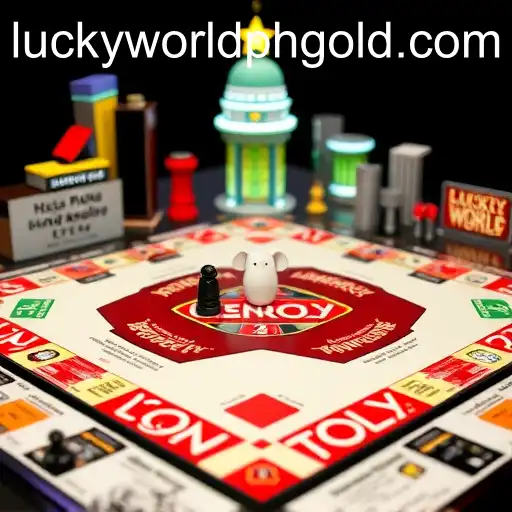
The Fascinating World of Monopoly: Understanding Its Influence
Monopoly is not just a term used to describe dominant control by a single entity over a particular market. It is also the name of a popular board game that has fascinated people across the globe. A strategic pursuit filled with trades and money, Monopoly offers insights into economic principles like competition, asset management, and negotiation. In this article, we'll delve into the concept of monopoly, with a particular focus on the intriguing realm of Lucky World PH.
The History and Evolution of Monopoly
Monopoly, the board game, first appeared in the early 20th century. Originally designed to showcase the pitfalls of economic monopolies, it captivated the public's imagination and gradually evolved into one of the best-selling games worldwide. Its rules are simple, yet they mirror complex economic principles such as property acquisition, rent collection, and strategic bargaining, making it both educational and entertaining.
Interestingly, while players enjoy attempting to dominate the board, the game inadvertently teaches them about real-life financial strategies. Whether it's analyzing market trends or making investments, Monopoly encourages players to think critically and make informed decisions.
The Economic Impact of Monopolies in Real Life
In the real world, monopolies can drive significant economic shifts. When a single company dominates an industry, it can influence pricing, supply chains, and consumer choices. Monopolies can stem from various factors, such as technological superiority, resource control, or regulatory influences. While they can foster innovation through large-scale investments and R&D, they often raise concerns about reduced competition, higher prices, and limited choices for consumers.
In the Philippines, for instance, the concept of Lucky World PH offers a unique blend of opportunity and competition. In a country marked by diverse industries and growing economies, monopolistic entities can reshape markets, impacting everything from telecommunications to retail.
The Role of Lucky World PH
Lucky World PH has become a significant player in its respective industry, illustrating the influence of monopolistic tendencies in emerging markets. It serves as a fascinating case in point, demonstrating how ambitious companies can leverage strategic planning, resource allocation, and technological advancements to establish a dominant market presence.
Through innovation and strategic foresight, companies like Lucky World PH have not only carved a niche for themselves but also set standards that others strive to meet. This competitive edge enhances their brand value and establishes consumer trust, contributing to their overarching market dominance.
Strategies for Navigating in a Monopolistic Market
Navigating a market dominated by a central player like Lucky World PH requires well-thought-out strategies. For new entrants, distinguishing themselves becomes crucial. Innovative offerings, competitive pricing, and superior customer service are ways to capture consumer attention. Furthermore, strategic alliances and partnerships can provide essential leverage.
On the other side, established corporations must continuously innovate and adapt to retain their position. Whether through technological upgrades, expanding service offerings, or enhancing customer experience, maintaining market relevance in a monopolistic environment is key to sustained growth.
The Impact on Consumers
Monopolies can also influence consumer behavior. In the case of monopoly board game aficionados, the excitement lies in strategizing to accumulate wealth and resources for a competitive edge. Similarly, consumers in a market dominated by a monopoly must make informed choices, often balancing brand loyalty with value-driven purchases.
For consumers in the Lucky World PH arena, discerning product quality, understanding competitive offerings, and leveraging customer reviews become integral to informed decision-making. It is this dynamic environment that keeps the consumer engaged and the monopolistic player attentive.
The Future of Monopolies
Looking ahead, the landscape of monopolies could evolve with changing regulations, technological breakthroughs, and consumer preferences. Governments may implement policies to encourage fair competition, reduce barriers, and protect consumer interests. Meanwhile, technological advancements could empower new players to challenge established monopolies through disruptive innovation.
As companies like Lucky World PH navigate the challenges and opportunities of a rapidly changing market, they must remain agile, customer-focused, and innovative to maintain their dominance. Indeed, the world of monopolies—both in board games and real life—remains a compelling study of strategy, adaptation, and economic evolution.
The Thrilling World of BullFever and Its Impact on Lucky World PH

Discover the excitement of the new game BullFever and its influence on the gaming landscape, particularly in the context of Lucky World PH.
2026-01-14
Exploring TripleKingKong: A New Gaming Adventure by Lucky World PH

Discover the thrilling world of TripleKingKong, the latest gaming sensation developed by Lucky World PH, as we delve into its features, gameplay rules, and its emergence in the current gaming landscape.
2026-01-13
Immerse in Culinary Adventure with FoodFeast in Lucky World PH

Discover the captivating world of FoodFeast, a dynamic game that takes players on a gastronomic journey through Lucky World PH.
2026-01-12
Discover the Enchanting World of BookOfThePriestess: A Journey Through Lucky World PH
Explore the captivating game 'BookOfThePriestess' and delve into its enchanting gameplay set in the mystical realm of Lucky World PH, complete with an in-depth look at its features and rules.
2026-01-11

 download apk/ios